
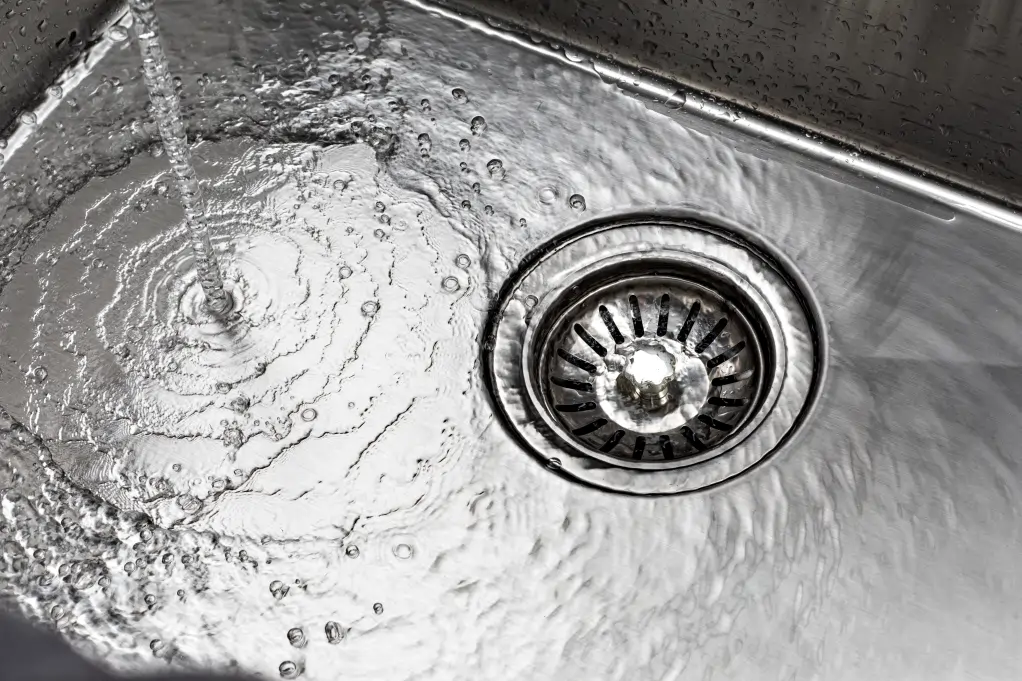
Why Is My Sink Draining Slowly?
Few plumbing problems are as annoying as a sink that takes longer and longer to drain. At first, you might simply notice that water takes a few extra seconds to disappear. Over time, however, the drainage can become slower until water starts sitting in the basin.
A slow sink is usually caused by a partial blockage somewhere in the drain system. Acting early can help prevent a complete blockage and a more disruptive plumbing problem.
Here are some of the most common causes.
1. Hair and Soap Build-Up
Bathroom sinks commonly collect hair, soap residue, toothpaste, and other debris.
Over time, these materials can combine inside the drain and create a sticky build-up that restricts water flow.
If your bathroom sink is draining slowly but there are no other obvious plumbing problems, a blockage close to the drain opening may be the cause.
2. Food and Grease
Kitchen sinks have a different set of problems.
Food particles, cooking grease, oil, and other debris can accumulate inside the pipe. Grease is particularly troublesome because it can stick to the inside of the pipe and gradually reduce the available space for water to flow.
Even if the sink still drains, a partial blockage can become worse over time.
3. A Blocked or Dirty Sink Trap
The P-trap is the curved section of pipe underneath your sink.
It holds a small amount of water to prevent sewer gases from entering your home, but it can also collect debris.
If you are comfortable doing basic plumbing maintenance, you can inspect the trap for visible build-up. Place a bucket underneath it before removing any connections, as water will remain inside.
If you’re unsure how to remove or clean the trap safely, it’s better to have a plumber handle it.
4. A Blockage Further Down the Drain
Sometimes the problem isn’t directly underneath the sink.
A blockage deeper inside the drainage system can restrict the flow of water and cause the sink to drain slowly.
This is more likely if:
- The sink has been draining slowly for a long time
- Multiple fixtures are draining slowly
- You hear gurgling sounds
- Water backs up into another fixture
- The problem keeps returning after cleaning the drain
These signs can indicate that the blockage is further along the drainage system.
5. Problems With the Vent System
Your plumbing system uses ventilation to help air move through the drainage pipes.
If a vent becomes blocked, the drainage system may not be able to maintain the correct air pressure. This can result in slow drainage or gurgling sounds.
Vent problems are generally more difficult to diagnose and may require professional inspection.
Can You Fix a Slow-Draining Sink Yourself?
If the blockage is minor and close to the drain, there are a few things you can try.
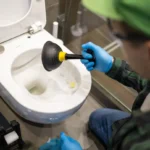
Start by removing visible debris from the drain opening. You can also try using a suitable plunger to loosen a minor blockage.
Avoid repeatedly pouring harsh chemical drain cleaners into your plumbing. Some products can damage certain pipes, and they can also create a safety hazard if a plumber later needs to work on the drain.
If simple methods don’t improve the drainage, professional help may be the better option.
When Should You Call a Plumber?
A slow drain isn’t always an emergency, but you shouldn’t ignore a problem that keeps getting worse.
Consider calling a professional if:
- The sink stops draining completely
- Water backs up repeatedly
- Several drains are slow at the same time
- You hear persistent gurgling
- There is a foul smell coming from the drain
- DIY attempts haven’t solved the problem
- The blockage keeps returning
A plumber can inspect the drainage system and determine whether the problem is a local blockage or something further down the line.
How to Prevent Sink Blockages
Regular habits can help keep your sink draining properly.
For kitchen sinks:
- Don’t pour cooking oil or grease down the drain
- Scrape food waste into the bin before washing dishes
- Use a suitable drain strainer
- Avoid putting large amounts of food waste into the sink
For bathroom sinks:
- Remove hair from the drain regularly
- Use a drain strainer where appropriate
- Avoid allowing large amounts of soap and other debris into the drain
A little prevention can help reduce the chance of dealing with a major blockage later.
Don’t Let a Slow Drain Become a Blocked Drain
A sink that drains slowly may seem like a minor inconvenience, but it can be an early warning sign of a developing blockage.
If cleaning the drain doesn’t solve the problem or the issue keeps coming back, getting it checked early can help prevent a complete blockage and more extensive plumbing work.
Need help with a slow or blocked sink? Contact our plumbing team for professional drain inspection and blockage services.