How To Prevent Blocked Drains in Your Home
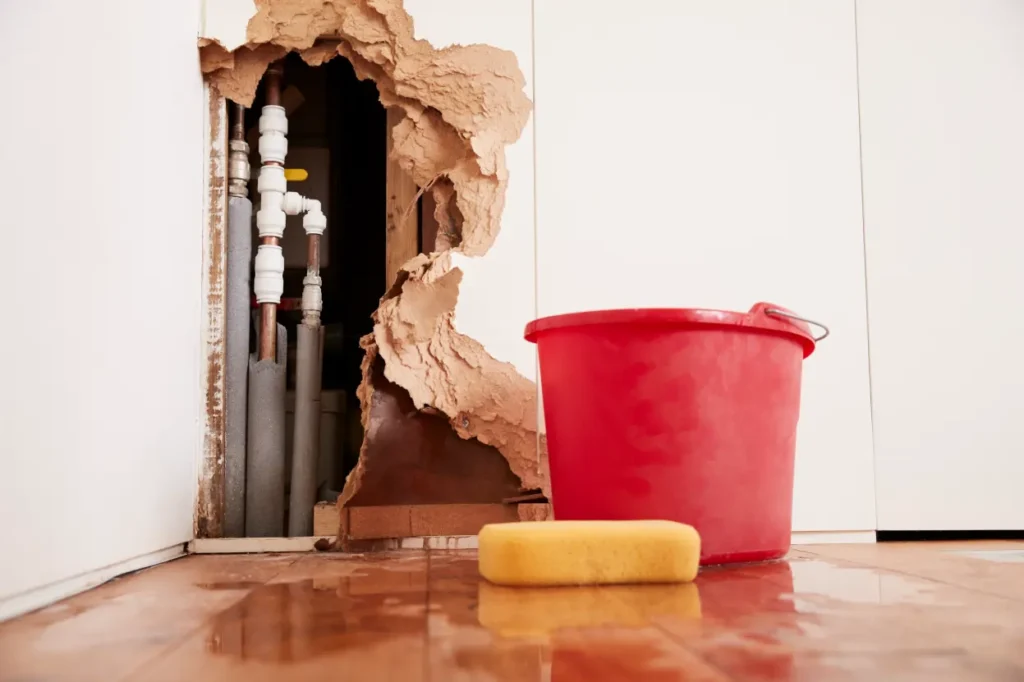
A blocked drain can quickly turn a normal day into a frustrating plumbing problem. What starts as slightly slower drainage can eventually lead to standing water, unpleasant smells, and a completely blocked pipe.
The good news is that many drain blockages can be prevented with a few simple habits. By being careful about what goes down your drains and paying attention to early warning signs, you can reduce the risk of serious blockages.
Here are some practical ways to keep your home’s drains flowing properly.
1. Keep Food Waste Out of Kitchen Drains
Kitchen sinks are one of the most common places for drain blockages to develop.
Food scraps, coffee grounds, grease, and other waste can accumulate inside the pipe and gradually restrict water flow.
Instead of washing food waste down the sink, scrape plates into the bin before washing them. A suitable sink strainer can also help catch smaller food particles.
2. Never Pour Grease and Cooking Oil Down the Drain
Liquid grease and cooking oil may appear harmless when they’re hot, but they can cool and stick to the inside of your pipes.
Over time, this build-up can trap other debris and create a stubborn blockage.
Allow cooking grease to cool and dispose of it appropriately rather than pouring it down the sink.
3. Use a Drain Cover in Bathroom Sinks and Showers
Hair and soap residue are common causes of bathroom drain blockages.
A drain cover or strainer can catch hair before it enters the plumbing system. Empty the strainer regularly to prevent build-up and maintain good water flow.
This is a simple and inexpensive way to reduce the amount of debris entering your drains.
4. Be Careful What You Flush
Your toilet is connected to your home’s drainage system, so what you flush matters.
Toilet paper is designed to break down in water, but other items can cause serious blockages.
Avoid flushing items such as:
- Wet wipes
- Paper towels
- Cotton buds
- Sanitary products
- Cleaning wipes
- Other non-flushable materials
Even products labelled as flushable may contribute to blockages, particularly in older or vulnerable drainage systems.
5. Clean Your Drains Regularly
Regular cleaning can help prevent small amounts of debris from becoming a larger blockage.
Remove visible debris from drain covers and strainers and keep an eye on how quickly your sinks, showers, and baths drain.
You don’t necessarily need aggressive chemical cleaners. Simple physical cleaning and regular maintenance can often be a better approach for keeping drains clear.
6. Pay Attention to Slow Drainage
A slow drain is often one of the earliest signs of a developing blockage.
If water is taking longer than usual to drain from your sink, shower, or bath, don’t ignore it.
A small blockage is generally easier to address than a completely blocked pipe. Investigating the problem early can help prevent standing water, overflowing fixtures, and more extensive plumbing issues.
7. Watch for Unusual Drain Smells
Persistent unpleasant smells coming from a drain can indicate a build-up of food, grease, soap, or other organic material.
If cleaning the drain doesn’t remove the smell, there may be a deeper issue that needs professional attention.
Don’t simply mask the smell with air fresheners. Try to identify and address the underlying plumbing problem.
8. Don’t Ignore Gurgling Sounds
Gurgling noises can sometimes indicate that air is struggling to move through the drainage system because of a developing blockage.
If you regularly hear unusual sounds after using a sink, toilet, bath, or shower, keep an eye on the drainage performance.
When several fixtures begin making unusual noises or draining slowly at the same time, it may indicate a larger drainage problem.
9. Consider Professional Drain Maintenance
Some drainage problems aren’t caused by everyday household habits.
Older pipework, tree roots, damaged pipes, poor installation, and deeper blockages can all affect drainage performance.
If you experience repeated blockages despite taking preventative measures, a professional plumber can inspect the system and identify the underlying cause.
Professional drain maintenance can also help identify potential problems before they become major repairs.
What Should You Do If Your Drain Is Already Blocked?
If your drain is completely blocked or water is backing up into your home, avoid repeatedly trying harsh chemical drain cleaners.
Instead, stop using the affected fixture and assess the situation. If basic methods don’t resolve the blockage, contact a professional plumber.
A plumber can determine where the blockage is located and use the appropriate equipment to clear it without unnecessarily damaging the drainage system.
Keep Your Drains Clear With Simple Habits
Preventing blocked drains doesn’t require complicated maintenance. Keeping food, grease, hair, and unsuitable materials out of your plumbing system can make a significant difference.
Most importantly, pay attention to early warning signs such as slow drainage, unpleasant smells, and unusual gurgling sounds.
Addressing these problems early can help keep your plumbing system working efficiently and reduce the risk of an inconvenient blockage.
Need help with a blocked or slow-draining pipe? Contact our team for professional drain inspection and blockage services.