
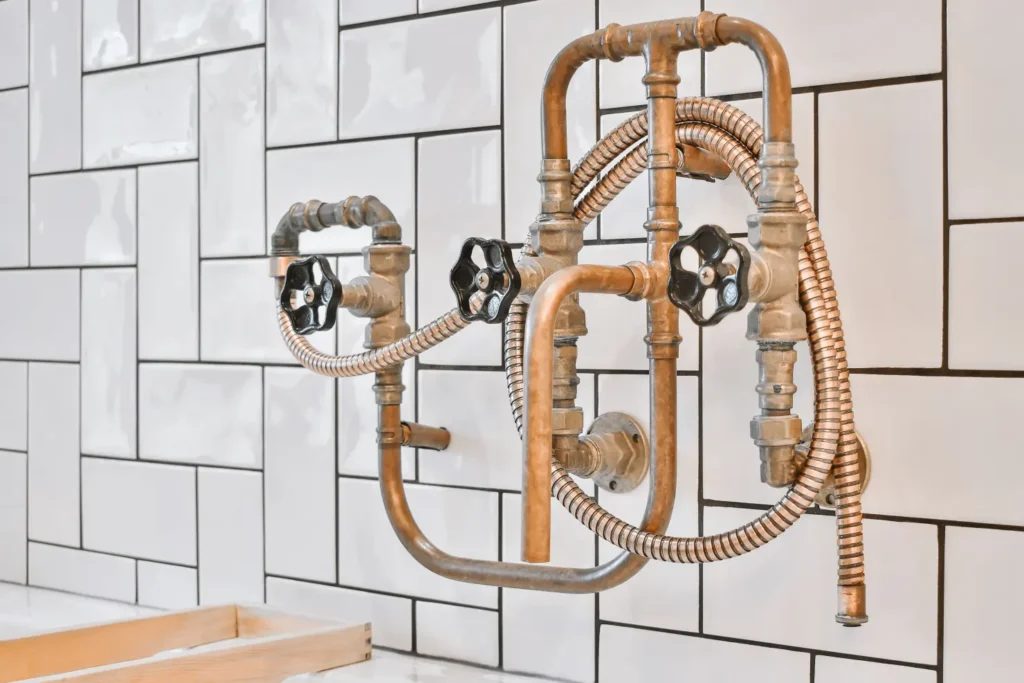
Bathroom Renovation: Plumbing Issues to Plan for Before Work Starts
A bathroom renovation involves much more than choosing new tiles, fixtures, and finishes. Behind the walls and beneath the floor is a network of pipes, drains, valves, and connections that all need to work together.
Planning the plumbing before construction begins can help prevent unexpected problems, delays, and additional costs later in the project.
Here are some important plumbing considerations to discuss before your bathroom renovation starts.
1. Check the Existing Plumbing
Before removing walls, flooring, or old fixtures, it’s worth checking the condition of the existing plumbing.
Older pipes may have corrosion, leaks, mineral build-up, or other signs of deterioration that aren’t visible from the outside.
A professional inspection can help identify potential problems before they’re covered by new walls, tiles, or flooring.
2. Plan the New Fixture Locations
Changing the position of a toilet, shower, bath, or sink can require changes to both water supply and drainage pipes.
Moving fixtures may involve additional plumbing work, particularly if the new location is significantly different from the original layout.
Decide where each fixture will go before plumbing work begins so the pipework can be planned correctly.
3. Check Drainage and Waste Pipes
Good drainage is essential for a functional bathroom.
Before installing new fixtures, make sure existing waste pipes are correctly positioned and capable of handling the new layout.
Slow drainage, recurring blockages, or unpleasant smells could indicate an existing drainage problem that should be addressed before the renovation continues.
4. Consider Water Pressure
Your new bathroom may include multiple fixtures that could be used at the same time.
If water pressure is already low, adding or changing fixtures may make the problem more noticeable.
Check the existing water pressure before finalising your bathroom design. If necessary, a plumber can assess the system and recommend an appropriate solution.
5. Don’t Ignore Hidden Leaks
A bathroom renovation is an excellent opportunity to inspect areas that are normally hidden.
Look for signs of previous or existing leaks around:
- Shower areas
- Toilets
- Baths
- Sinks
- Pipe connections
- Walls and floors
Repairing a hidden leak before new finishes are installed can prevent significant damage later.
6. Plan for Waterproofing
Waterproofing is a critical part of bathroom construction.
Areas exposed to regular moisture need to be properly protected to help prevent water from reaching walls, floors, and other parts of the property.
Your plumber, builder, or appropriate waterproofing professional should coordinate the work according to the requirements of the project and applicable standards.
7. Upgrade Old Pipework Where Necessary
If your bathroom contains ageing or damaged pipework, a renovation may be the ideal time to replace it.
Once new tiles, walls, and fixtures are installed, accessing the plumbing can become much more difficult and expensive.
Replacing problematic pipework while the area is already open can help reduce the risk of future leaks and repairs.
8. Think About Shut-Off Valves
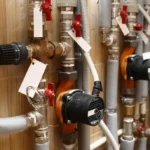
Make sure your new bathroom has accessible shut-off valves where appropriate.
Being able to quickly isolate a fixture can be extremely useful if a tap, toilet, or other plumbing component develops a leak.
Good access to valves can also make future maintenance easier.
9. Plan Hot and Cold Water Connections
New showers, baths, sinks, and other fixtures may require changes to hot and cold water connections.
Make sure the plumbing layout is planned before installation so the connections are positioned correctly for the chosen fixtures.
This is especially important if you’re changing the location of your bathroom fixtures.
10. Think About Future Maintenance
A beautiful new bathroom should also be easy to maintain.
Avoid creating layouts where important valves, traps, or plumbing connections become completely inaccessible.
Planning access points and serviceable components during the renovation can make future repairs much easier.
Should You Hire a Plumber Before Renovating?
If you’re changing the location of fixtures, replacing pipework, modifying drainage, or dealing with an older bathroom, professional plumbing advice should be part of the planning process.
A plumber can identify potential issues before construction begins and help make sure the plumbing layout works with your renovation plans.
Getting professional input early can also help prevent expensive changes once construction is already underway.
Plan Your Plumbing Before the Work Starts
A bathroom renovation is a major project, and plumbing problems discovered halfway through the work can cause unnecessary delays and additional costs.
By checking existing pipework, planning fixture locations, inspecting drainage, and considering future maintenance before construction begins, you can create a bathroom that looks great and works reliably.
Planning a bathroom renovation? Contact our plumbing team for professional advice and plumbing services before your renovation gets underway.