
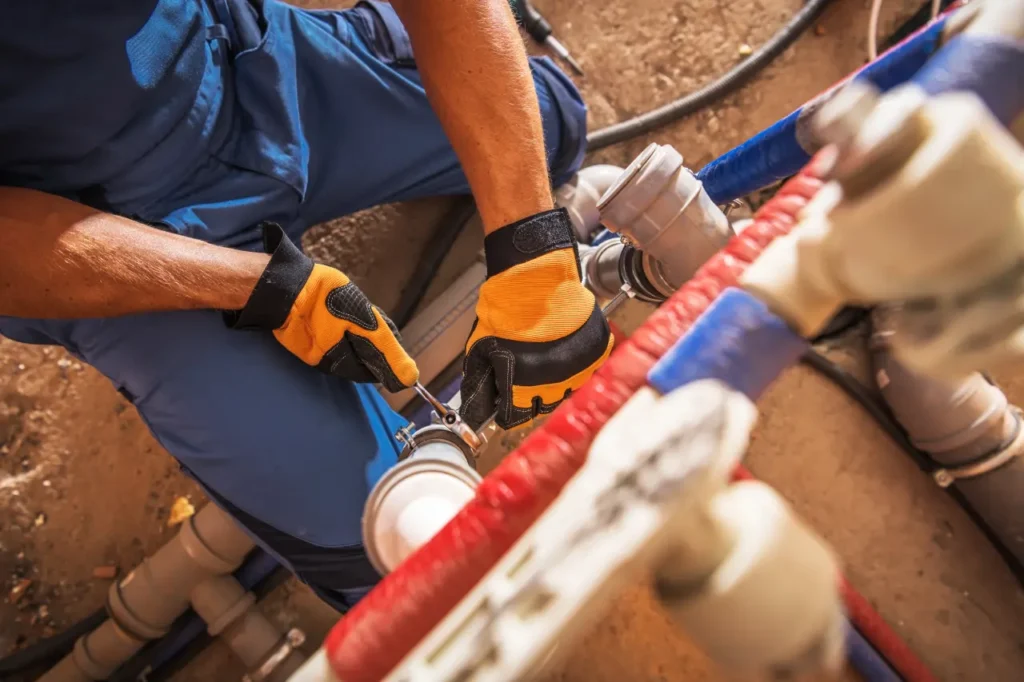
What To Do When a Pipe Bursts
A burst pipe is one of the most stressful plumbing emergencies you can experience. Whether it happens suddenly or follows freezing temperatures, corrosion, or an existing plumbing problem, a burst pipe can quickly flood your home and cause significant water damage.
Knowing what to do in the first few minutes can help limit the damage while professional help is on the way.
1. Shut Off the Main Water Supply
The first and most important step is to stop the flow of water.
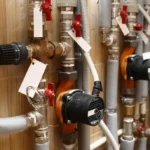
Locate your home’s main water shut-off valve and turn it off. If you know which valve supplies the affected fixture or section of plumbing, you can shut that off instead.
Once the water is off, open a nearby tap to help release pressure and drain some of the remaining water from the pipes.
If you aren’t sure where your main shut-off valve is, it’s worth locating it before you ever have a plumbing emergency.
2. Turn Off Electricity If Water Has Reached Electrical Areas
Water and electricity can be extremely dangerous together.
If water has reached electrical outlets, appliances, wiring, or electrical equipment, do not touch electrical components while standing in water.
If it is safe to do so without coming into contact with water, switch off the affected electrical circuit at the main electrical panel. If you’re unsure, stay away from the area and contact a qualified professional.
Safety should always come before trying to save belongings.
3. Move Furniture and Valuables Away From the Water
Once the water supply has been stopped and the area is safe, move furniture, electronics, documents, and other valuables away from the affected area.
If furniture is already sitting in water, avoid putting yourself at risk to move heavy items. Focus on protecting what you can safely reach.
You can also place buckets, containers, or towels underneath smaller leaks to collect remaining water.
4. Find the Source of the Burst
If it is safe, try to identify where the pipe has burst.
Common locations include:
- Under sinks
- Behind walls
- Beneath floors
- In ceilings
- Near water heaters
- In garages or utility areas
- Outdoor or exposed pipework
You don’t necessarily need to repair the pipe yourself. Identifying the general location can help a plumber respond more quickly.
If the burst is behind a wall or ceiling, avoid cutting into the structure unless you know what is behind it.
5. Call an Emergency Plumber
A burst pipe is not usually something you should leave until the next convenient appointment.
Even after shutting off the water, there may be significant water remaining inside the plumbing system, and the damaged section will need to be repaired or replaced.
An emergency plumber can assess the damage, locate the source, and restore your water supply safely.
When calling, explain:
- Where the burst pipe is located
- Whether the main water supply has been shut off
- How much water has escaped
- Whether electrical areas are affected
- Whether there is visible damage to walls, ceilings, or flooring
Providing these details can help the plumber understand the urgency of the situation.
6. Start Removing Standing Water
Once the immediate plumbing emergency is under control, remove standing water as quickly and safely as possible.
Depending on the amount of water, you may be able to use towels, a wet vacuum, or other suitable equipment.
For significant flooding, professional water damage restoration may be necessary.
The faster excess water is removed, the better the chance of reducing secondary damage such as mould, damaged flooring, and deteriorating walls.
7. Document the Damage
If the burst pipe has caused significant property damage, take photographs and videos of the affected areas before cleaning everything up, provided it is safe to do so.
Document:
- The damaged pipe
- Standing water
- Damaged walls and ceilings
- Flooring
- Furniture and belongings
- Any other visible property damage
These records may be useful when dealing with your insurance provider or assessing the overall repair requirements.
What Causes Pipes to Burst?
Burst pipes can happen for several reasons. Common causes include:
Freezing Temperatures
When water inside a pipe freezes, it expands and creates pressure within the plumbing system. This can cause pipes to crack or burst.
Corrosion and Age
Older pipes can deteriorate over time, becoming weaker and more vulnerable to leaks and breaks.
High Water Pressure
Excessive pressure can put additional stress on pipes, joints, and fittings.
Physical Damage
Pipes can sometimes be damaged during building work, renovations, or other activities around the property.
Poor Installation
Incorrectly installed or supported pipework can be more susceptible to movement, stress, and eventual failure.
How to Prevent a Burst Pipe
While not every plumbing emergency can be prevented, regular maintenance can reduce the risk.
Consider:
- Insulating exposed pipes in cold areas
- Checking older pipes for corrosion
- Monitoring unusual changes in water pressure
- Repairing small leaks before they become larger problems
- Knowing where your main water shut-off valve is
- Having your plumbing system professionally inspected when necessary
A small leak or damaged fitting can sometimes be an early warning sign of a larger plumbing problem.
When Should You Call an Emergency Plumber?
If water is flowing uncontrollably, a pipe has visibly burst, or you cannot stop the water supply, contact an emergency plumber as soon as possible.
Don’t wait for the water damage to get worse. Acting quickly can help protect your property and reduce the overall cost and disruption of the repair.
Need Emergency Plumbing Help?
A burst pipe can go from a small plumbing problem to a major property emergency in minutes.
If you’ve had a pipe burst, shut off the water if it’s safe to do so and contact a professional plumber immediately. Our emergency plumbing team can help identify the problem, repair the damaged pipe, and get your plumbing system back under control.